

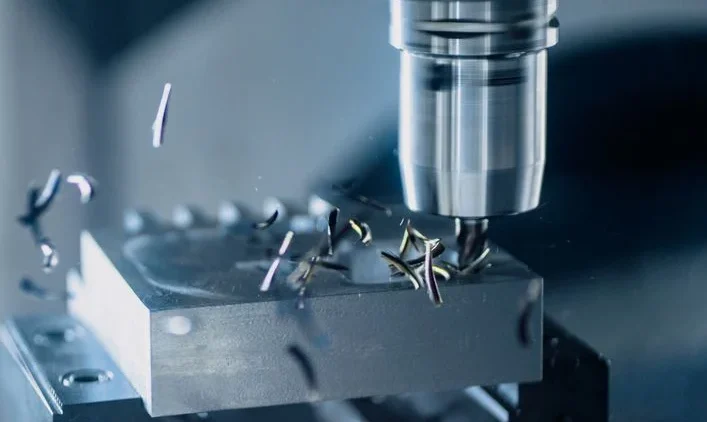
Precision CNC Machining for Modern Industrial Manufacturing
Why Precision CNC Machining Is Essential to Modern Manufacturing
A component measuring just a few millimeters can determine whether a medical instrument works correctly, an electric vehicle operates reliably, or an aircraft system performs as intended. Behind these products is a manufacturing discipline that transforms digital designs into carefully measured physical parts.
Precision CNC machining plays a central role in this process. CNC stands for computer numerical control, a method in which programmed instructions guide machine tools as they cut, drill, mill, or turn materials into components with tightly controlled dimensions.
A report published by TechBullion on October 16, 2026, highlighted the importance of precision-machined components across industries such as healthcare, aerospace, automotive manufacturing, and electronics. It also reported that the global precision machining market was valued at approximately USD 123.5 billion in 2025 and was projected to reach USD 228.8 billion by 2033, with a compound annual growth rate of 8.1 percent.
These projections reflect growing demand for parts that must meet increasingly demanding requirements. As products become smaller and more complex, manufacturers need production methods that deliver repeatable accuracy without sacrificing reliability.
How CNC Technology Produces Accurate Metal Components
Traditional machining often depends heavily on manual adjustments and an operator’s direct control over each movement. CNC equipment instead follows a programmed toolpath, allowing manufacturers to reproduce complex shapes and maintain consistent dimensions across production runs.
The process typically begins with a computer-aided design (CAD) model. Manufacturing engineers then prepare the machining instructions, select suitable tools, establish workholding arrangements, and determine cutting parameters based on the component’s geometry and material.
During production, the machine removes material from a workpiece until it matches the required shape. Inspection tools can then verify critical dimensions, helping operators identify deviations before they affect a larger batch of parts.
Multi-axis equipment expands these capabilities. Five-axis milling, for example, allows the cutting tool or workpiece to move along multiple axes, making it possible to machine complicated surfaces and features with fewer setups than some conventional approaches.
Swiss-type turning is another important process, particularly for small, slender components. Its guide bushing supports the workpiece close to the cutting area, helping reduce vibration and deflection when producing narrow shafts, pins, and other intricate parts.
The TechBullion article described tolerances as tight as ±0.005 millimeters for components produced using Swiss-type machining. Whether a particular tolerance is achievable depends on the machine, material, geometry, production conditions, and inspection method.
Which Industries Depend on Precision Machining?
Aerospace and aviation
Aerospace manufacturers require components that can withstand demanding operating conditions, including vibration, temperature changes, and mechanical stress. Precision machining helps produce housings, fittings, shafts, and structural parts that must meet specific engineering requirements.
Dimensional consistency is particularly important when components must fit into assemblies with limited clearance. Manufacturers also need documented inspection results and material traceability for applications where component performance affects operational safety.
Medical equipment and healthcare
Medical manufacturing uses precision-machined components in surgical instruments, diagnostic equipment, and certain implantable devices. Parts must meet requirements appropriate to their intended use, including dimensional accuracy, surface quality, and material compatibility.
For example, a bone screw requires carefully controlled geometry, while an instrument housing may need precise interfaces for assembly and cleaning. Manufacturers must follow applicable quality and regulatory requirements rather than relying on machining accuracy alone.
Automotive and electric vehicles
Modern vehicles rely on accurately manufactured components in braking systems, motors, transmissions, sensors, and other assemblies. Electric vehicles also use machined aluminum parts in applications such as battery housings, cooling plates, and motor structures.
Aluminum is useful because of its relatively low weight, thermal conductivity, and corrosion resistance. The TechBullion report estimated the global aluminum CNC machining services market at approximately USD 3.57 billion in 2024 and projected it to reach USD 5.81 billion by 2031, representing a compound annual growth rate of 7.2 percent.
Electronics and industrial equipment
Electronics manufacturers need accurately machined enclosures, connectors, heat-management components, and sensor mounts. Consistent dimensions help these parts fit together correctly and support dependable operation.
Industrial machinery also relies on precision shafts, bearings, mounting components, and mechanical interfaces. In these applications, dimensional errors can contribute to misalignment, excess wear, vibration, or assembly delays.
Choosing the Right Material and Machining Process
Not every metal behaves the same way during machining. The material influences tool selection, cutting speed, heat management, surface finish, production time, and the achievable dimensional accuracy.
Stainless steel can harden during cutting if the process is poorly controlled. Titanium tends to concentrate heat near the cutting edge because of its relatively low thermal conductivity, while aluminum generally supports higher cutting speeds but requires effective chip evacuation and suitable coolant management.
Different aluminum alloys also have different mechanical properties. A machining strategy suitable for 6061 aluminum may not produce the same results with 7075, so material selection should reflect the component’s strength, weight, corrosion resistance, and operating requirements.
Steel fabrication projects may also require a combination of processes rather than CNC machining alone. Cutting, bending, welding, drilling, and finishing can be used alongside precision machining, depending on the design and the tolerances needed for each feature.
Before requesting a quotation, prepare a technical drawing or CAD file, identify the material grade, specify critical dimensions and tolerances, and explain the expected quantity. These details help a manufacturer assess feasibility, tooling needs, inspection requirements, and likely production costs.
How Automation and AI Are Shaping CNC Manufacturing
Precision machining is increasingly supported by automation and digital production tools. In-process probing can measure selected features during machining, while statistical process control helps manufacturers monitor variation across repeated production runs.
These methods can identify developing problems before they lead to large numbers of defective components. Material traceability also helps businesses connect finished parts with the relevant material certifications, production records, and inspection documentation.
Artificial intelligence is beginning to support tasks such as analyzing machine data, adjusting cutting parameters, and predicting maintenance needs. Digital twins can simulate machining operations before production begins, helping engineers assess toolpaths and identify potential problems earlier.
However, automation does not remove the need for experienced machinists and engineers. Incorrect programming, unsuitable workholding, worn cutting tools, or inadequate inspection can still produce parts that fail to meet specifications.
The best results come from combining appropriate equipment with sound engineering judgment, documented procedures, and effective quality control. Manufacturers should evaluate automation based on measurable improvements in consistency, downtime, material use, and production performance.
Frequently Asked Questions About Precision CNC Machining
What is the difference between CNC machining and steel fabrication?
CNC machining removes material using computer-controlled cutting tools to achieve specified shapes and dimensions. Steel fabrication commonly involves processes such as cutting, bending, forming, and welding to create structures or assemblies. Many industrial projects use both approaches.
How do you choose a reliable CNC machining supplier?
Review the supplier’s experience with your material and component type, available machine capabilities, quality-control procedures, inspection equipment, and ability to provide traceability records where required. Ask how critical tolerances will be verified and whether the supplier can support prototype development as well as repeat production.
Is CNC machining suitable for small production runs?
Yes. CNC machining can be used for prototypes, customized components, and larger production batches. The most economical approach depends on setup costs, material requirements, part complexity, machining time, and the number of components required.
Before starting your next metalworking project, review the component drawing, confirm the material grade, identify critical tolerances, and ask the manufacturer how quality will be measured. These steps provide a clearer basis for comparing quotations and help ensure that the finished parts meet the requirements of the equipment or structure they are designed to support.