

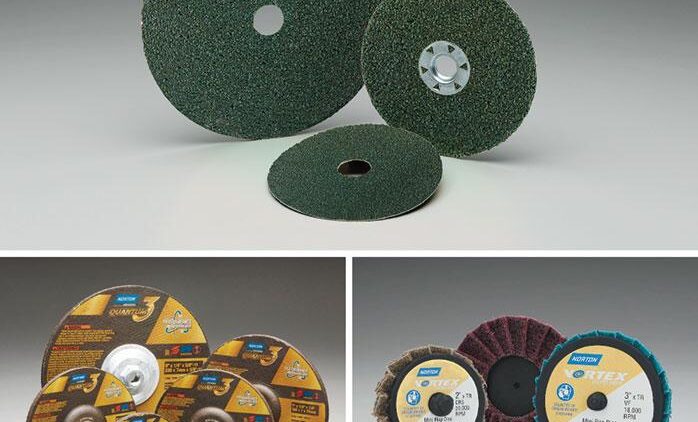
Grinding, Cutting, and Finishing Tools at FABTECH 2026
Why Grinding and Finishing Matter in Metal Fabrication
A steel component can be cut to the correct dimensions and still require substantial work before it is ready for assembly, welding, or delivery. Sharp edges, burrs, rough surfaces, and inconsistent finishes can affect both product quality and the time a fabrication shop spends completing an order.
That is why grinding, cutting, and surface preparation remain important areas of interest for metalworking professionals. With FABTECH 2026 approaching, manufacturers have an opportunity to explore equipment and consumables that support these essential workshop operations, including products associated with Ningbo FRIMA Industry.
What FABTECH 2026 Means for Fabricators
FABTECH is a major trade show for professionals involved in metal forming, fabricating, welding, and finishing. Events of this kind give manufacturers, equipment suppliers, and production specialists opportunities to examine technologies and consider how they might fit into existing operations.
For fabrication businesses, the value of an exhibition goes beyond seeing new machines. It also provides an opportunity to evaluate practical solutions to recurring production challenges, such as inconsistent edge quality, excessive material removal, abrasive wear, and time-consuming finishing work.
The FABTECH 2026 preview from Canadian Metalworking highlights grinding, cutting, and finishing products intended for metal fabrication. Ningbo FRIMA Industry is specifically identified in the article’s headline. However, the source page could not be accessed for verification of individual product models, specifications, or technical claims, so those details should be confirmed directly with the company before making purchasing decisions.
Grinding: Achieving the Right Surface and Edge
Grinding is used throughout metal fabrication to remove material, smooth rough surfaces, prepare joints, and refine components after cutting or welding. The appropriate abrasive tool depends on the material, the amount of stock that must be removed, and the surface quality required for the finished part.
For example, a welded carbon-steel frame may need weld spatter removed and weld transitions blended before coating. Stainless steel components used in food-processing equipment may require a controlled finishing process to achieve the specified surface appearance without introducing unwanted contamination.
These applications have different requirements. A tool suited to aggressive stock removal may not provide the fine finish needed for a visible architectural component.
What to evaluate when choosing grinding products
Before selecting an abrasive product, fabricators should consider the following factors:
- Workpiece material: Confirm that the abrasive is suitable for the metal being processed, including carbon steel, stainless steel, or aluminium.
- Removal rate: Determine how quickly the tool removes material without compromising dimensional accuracy.
- Surface finish: Match the abrasive and finishing sequence to the required surface condition.
- Tool compatibility: Check the product’s permitted operating speed, dimensions, mounting arrangement, and compatibility with the machine.
- Operating cost: Compare purchase price, usable life, changeover time, and the amount of labour required to finish each component.
These checks help prevent a common mistake: selecting a grinding product based only on its initial price rather than its performance across the entire production process.
Cutting Products and Their Role in Production
Cutting establishes the basic shape and dimensions of a fabricated component. Depending on the job, a workshop may use saws, abrasive cutting equipment, plasma systems, laser cutting machines, or other methods appropriate to the material and design.
The cutting method influences what happens next. A part with clean edges and consistent dimensions may require less corrective work before welding or assembly, while a rough cut can create additional deburring and finishing tasks.
When evaluating cutting products, production teams should consider material thickness, cutting speed, dimensional tolerances, edge condition, and the amount of waste generated. The best option is the one that meets the job’s requirements while fitting the workshop’s equipment and production volume.
For shops processing multiple material types, compatibility deserves particular attention. A cutting consumable designed for one application should not automatically be assumed suitable for another simply because the tools appear similar.
Finishing and Deburring: The Steps That Complete a Part
Finishing is often treated as the final stage of fabrication, but its importance extends well beyond appearance. Removing burrs and sharp edges can improve handling safety, support proper assembly, and help prepare a surface for painting, powder coating, plating, or another specified treatment.
Consider a batch of laser-cut steel brackets. Even when the cutting operation produces accurate profiles, the parts may still require edge inspection and deburring before they are assembled into a larger structure. If this work is inconsistent, it can create delays during installation or interfere with the quality of the final coating.
Finishing requirements vary by application. Structural steel components may prioritize functional edge preparation and coating adhesion, while stainless steel products for visible or hygienic environments may demand more controlled surface treatment.
Build a consistent finishing sequence
Fabricators can improve repeatability by defining a standard process for each part family. This should identify the required edge condition, the approved finishing method, the inspection criteria, and the point at which the component is ready for the next operation.
Where several finishing stages are required, operators should understand which abrasive or tool is appropriate at each stage. Using an overly aggressive product too early can remove excess material, while using a finishing abrasive for heavy stock removal can waste time.
How to Measure the Value of New Metalworking Tools
A product demonstration can show how a tool performs on a sample, but a production trial provides more useful information about its suitability for a specific workshop. Before changing established processes, manufacturers should compare the proposed product with their current method under equivalent conditions.
Useful measurements include the time needed to complete a part, the number of consumables used, the consistency of the finished surface, and the amount of rework required. For higher-volume operations, even small reductions in handling or finishing time can influence overall throughput.
Safety must remain part of the evaluation. Operators should follow the tool manufacturer’s instructions, use the required protective equipment, verify machine guards, and observe the rated operating speed. Abrasive products must be inspected and used only with compatible equipment.
Shops should also account for dust, sparks, noise, and other hazards associated with their particular processes. Appropriate ventilation, extraction, guarding, and work-area controls can help reduce exposure and improve operating conditions.
Questions to Ask Before Buying Grinding or Cutting Products
1. Which abrasive is suitable for my material?
The answer depends on the workpiece metal, the task, and the required finish. Ask the supplier to confirm compatibility with the exact material and application, then test the product on representative components before using it for a full production run.
2. How can I determine whether a new product will reduce costs?
Compare total operating cost rather than purchase price alone. Measure finishing time, consumable life, changeover frequency, rejected parts, and rework under comparable production conditions.
3. What should I verify before ordering products featured at a trade show?
Confirm the exact product model, dimensions, technical specifications, machine compatibility, operating limits, availability, and warranty terms. Request current documentation and clarify whether the product is suitable for your material thickness and production requirements.
Preparing for the Next Step in Metal Fabrication
The FABTECH 2026 preview draws attention to grinding, cutting, and finishing as important parts of the metal fabrication process. Ningbo FRIMA Industry is named in the source headline, but specific product capabilities and specifications should be checked against verified manufacturer information before they are treated as established facts.
For fabrication shops planning equipment or consumable purchases, the most useful next step is to identify a real production bottleneck. Determine whether the primary issue is cutting quality, excessive grinding, inconsistent deburring, or the time required to prepare surfaces for coating.
With that requirement clearly defined, manufacturers can compare suitable products, request demonstrations, and run controlled trials using their own materials. This approach turns a trade-show discovery into a measurable production decision based on quality, safety, and operating cost.