

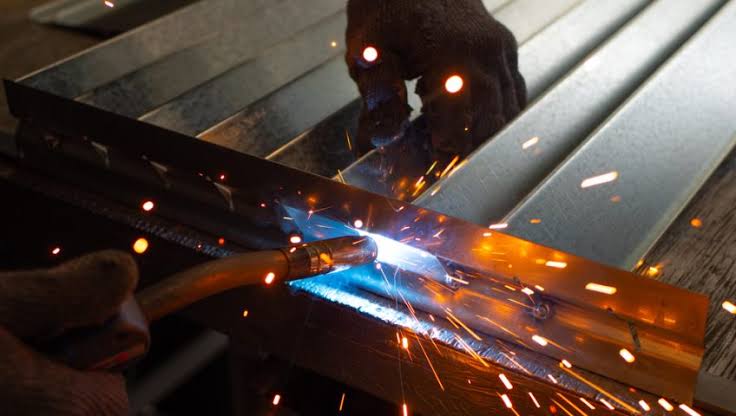
JK Metal Fabrication in Frosses hiring welders now
JK Metal Fabrication in Frosses hiring welders now
JK Metal Fabrication Ltd based in Frosses has two full-time welding and fabrication vacancies open to qualified candidates in County Donegal.
Metal fabrication jobs
Full-Time Welding and Fabrication Roles Open in County Donegal
The metalworking industry moves fast, and finding skilled personnel is one of the biggest challenges fabrication shops face today. JK Metal Fabrication Ltd, operating from Frosses in County Donegal, has just announced two full-time openings that reflect the real demand for experienced welders and apprentices in Ireland’s manufacturing sector.
These aren’t entry-level gigs with vague responsibilities. Both positions come with specific technical requirements tied to real shop floor work—MIG and TIG welding for one role, mechanical fitting and automation maintenance for the other.
Fitter/Fabricator Position: What’s Required
The primary opening is for a Fitter/Fabricator. This is a hands-on role for someone who already has MIG and TIG welding experience under their belt. If you’ve spent time at the bench learning arc welding, you’re looking at the right job.
Beyond basic welding competency, the employer values experience with lathe and milling machines, though this is listed as an advantage rather than a must-have. That signals a shop that appreciates versatility—someone who can move between welding stations and CNC equipment keeps production flowing smoothly when orders spike.
The schedule is straightforward: Monday to Friday, 8:30 AM to 5:00 PM. No weekend splits, no rotating shifts. This is standard dayshift metalworking, which matters for anyone planning their life around a full-time role.
Apprentice Fitter Role in Mechanical Automation
The second position opens a door for newer talent. Titled Apprentice Fitter with focus on Mechanical Automation and Maintenance Fitting, this role is designed for someone with some mechanical and welding experience already. “Preferred” is the operative word—the shop isn’t requiring five years of prior experience, but they do want candidates who’ve touched a spanner and torch before.
This apprenticeship path sits at the intersection of two valuable skill sets: traditional metal fabrication and automated systems maintenance. That’s exactly where the modern fabrication industry is headed. Shops increasingly rely on automation for repetitive tasks, but someone still needs to understand how the machines work, how to maintain them, and how to troubleshoot when something goes wrong.
Same hours apply: Monday to Friday, 8:30 AM to 5:00 PM.
What Makes These Roles Relevant Right Now
Ireland’s metalworking sector faces a genuine skills gap. Fewer young people enter trade apprenticeships than in previous decades, yet demand for quality fabrication work remains steady across construction, agriculture, automotive, and general engineering. A company like JK Metal Fabrication advertising these positions signals they’re busy enough to hire—that’s a healthy sign for the local economy.
The specificity of the job requirements also tells you something important: this isn’t a shop looking to train people from scratch on every task. They want someone who can arrive, know what a TIG torch is, understand shop safety, and contribute value within the first week. That’s typical of mid-sized fabrication operations that don’t have spare capacity for extensive onboarding.
Why Welding and Fabrication Skills Matter
Metal fabrication remains one of the few manufacturing sectors where you can build a reliable career with strong earning potential. Unlike roles heavily dependent on software updates or algorithm changes, the ability to read a blueprint, set up a CNC machine, and execute a clean weld is a skill that ages well.
The apprentice route is particularly compelling. Taking on an apprenticeship in mechanical automation fitting puts you at the nexus of traditional craft knowledge and modern technology. Five to ten years from now, someone with dual competency in manual fabrication and automated systems maintenance will be extremely marketable.
What Candidates Should Prepare
If you’re thinking about applying, JK Metal Fabrication asks for a CV and cover letter sent to jkellyengineering@gmail.com. That’s it—straightforward and direct. No lengthy application portals, no automated screening systems. This is a traditional hiring approach, which often means decision-makers will actually read what you send.
For the Fitter/Fabricator role, your CV should be clear about which welding processes you’ve trained on and in what settings. A year of TIG experience in a structural shop matters differently than six months in a tube bending operation. If you’ve also worked with lathes or mills, say so explicitly—don’t assume they’ll infer it.
For the apprentice position, honesty about your mechanical background works better than overselling. If you’ve completed a basic welding course and worked on small fabrication projects, that’s genuinely useful background. If you’re fresh to the trades but mechanically minded, don’t hide it—many apprenticeships specifically value people willing to learn rather than those claiming false experience.
The Bigger Picture for Donegal Manufacturing
Frosses sits in a part of County Donegal with a modest but active manufacturing base. These two positions represent real investment in the local workforce. Shops don’t hire during downturns; they hire when work is coming in and they need to expand capacity.
For someone in the northwest considering a metalworking career, an opening like this from an established local firm is exactly the kind of opportunity worth pursuing. You’re not commuting two hours daily, and you’re joining a shop that’s apparently stable enough to take on new permanent staff.
Common Questions About These Roles
Will I need my own tools for the Fitter/Fabricator position? Most fabrication shops provide major equipment and welding apparatus. Hand tools vary by shop policy—some provide them, others expect you to bring a basic set. Email to clarify before your interview.
What’s the realistic pay range for welding apprenticeships in Ireland right now? Apprentice minimum wage in Ireland sits at a statutory floor, but many fabrication shops pay above that, especially if you’re adding mechanical fitting skills. Expect this to be discussed during the hiring process.
How quickly could someone progress from the apprentice role to the fitter position? That depends entirely on the individual and the shop’s needs. Some apprentices move into senior roles within three to four years if they show aptitude and commitment. Others take longer. JK Metal Fabrication would be the only source for how they structure advancement.
Next Steps for Interested Candidates
If you’ve got MIG and TIG experience or you’re an apprentice with some hands-on mechanical background, draft that email to jkellyengineering@gmail.com today. Keep your CV concise—two pages maximum—and your cover letter focused on why this specific role fits your experience and where you want to take your career in metalworking.
Before hitting send, do a quick check: Can you honestly say you understand the job requirements? Have you worked with the equipment they mention? If yes to both, you’re ready to apply. If you’re slightly underqualified but genuinely interested, apply anyway—worst case they don’t respond, but plenty of hiring managers value initiative over perfect credentials.