

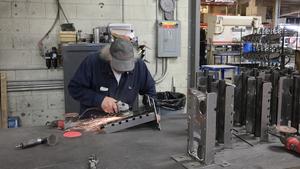
DACC Offers Free CNC Machining Training in December
How CNC Machining Training Opens Doors to Manufacturing Careers
A precisely machined metal component can determine whether a machine operates smoothly or fails to meet its required specifications. Developing the skills to produce these parts takes practical knowledge, which is why hands-on training remains important for people entering modern manufacturing.
Danville Area Community College (DACC) in Danville, Illinois, is offering an opportunity for beginners to explore this field through a free, five-day CNC machining bootcamp scheduled for December 14–18, 2026. The program will take place at the DACC Technology Center and is supported by the Gene Haas Foundation and Fastenal.
With enrollment limited to six participants, the bootcamp is designed to provide close instruction and direct exposure to computer-controlled machining equipment. It offers an introduction to essential manufacturing skills for people considering a technical career or looking to understand how modern metalworking operations function.
What Participants Will Learn During the CNC Bootcamp
Computer numerical control, commonly known as CNC, allows machines to carry out manufacturing operations using programmed instructions. These machines are used to produce components with carefully controlled dimensions, repeatable movements and consistent machining processes.
According to DACC’s announcement, participants will explore several foundational skills during the December program, including blueprint reading, precision measurement, CNC milling and CNC turning. Instruction will combine guided learning with practical machining projects.
Blueprint reading and technical drawings
Before a metal part can be manufactured, someone needs to understand its engineering drawing. Blueprint reading helps machinists interpret dimensions, shapes and other specifications that determine how a finished component should look.
This skill is essential when working with fabrication drawings for brackets, machine housings, shafts and other manufactured parts. Misreading a dimension can lead to an incorrectly machined component, wasted material or additional production work.
Precision measurement
Machining requires more than cutting metal into an approximate shape. Parts often need to meet specific dimensional requirements, making accurate measurement an important part of production and quality control.
Introductory training in precision measurement helps learners understand how dimensions are checked and why measurements must be compared with the intended specifications. These fundamentals are relevant to both CNC machining and other metalworking processes.
CNC milling and turning
CNC milling and CNC turning are two important machining methods, but they work differently. Milling commonly uses rotating cutting tools to remove material from a workpiece, while turning typically rotates the workpiece against a cutting tool to create cylindrical shapes.
These processes are used across industries that manufacture mechanical components, industrial equipment, automotive parts and precision metal products. Understanding their basic principles helps beginners recognize which machining approach may suit a particular component.
Why Hands-On Experience Matters in Metalworking
Reading about machining can explain the theory, but working directly with equipment introduces practical considerations that are difficult to understand from text alone. Participants can begin connecting technical drawings, measurements and machining operations to the physical parts being produced.
DACC CNC Machining Instructor Todd Flessner emphasized the value of practical learning, explaining that the bootcamp is intended to help participants develop confidence with machining techniques and understand the skills used in manufacturing.
For newcomers, this exposure can help clarify whether CNC machining is a suitable career direction. It can also provide a foundation for deciding whether to pursue more extensive technical education or seek entry-level opportunities in a manufacturing environment.
The program’s six-person enrollment limit is particularly relevant because CNC equipment requires careful instruction and attention to safe operating procedures. A small group can give participants opportunities to engage directly with the learning activities, although the specific amount of individual equipment time will depend on the course arrangements.
Who Should Consider the DACC CNC Machining Bootcamp?
The program is intended for individuals interested in learning introductory machining skills or exploring modern manufacturing careers. Because DACC describes it as a fundamentals-focused bootcamp, it may be worth considering for people who want an initial introduction before committing to a longer training program.
Potential participants may include career changers, people exploring skilled trades, or individuals interested in understanding how industrial components are manufactured. However, applicants should confirm any prerequisites or eligibility requirements directly with DACC before registering.
People already working in steel fabrication or manufacturing may also find the subject matter relevant to their interests. CNC machining and structural fabrication are different disciplines, but both depend on technical drawings, accurate measurements, material knowledge and careful attention to specifications.
It is important to understand the limits of a short introductory course. Completing five days of training should not automatically be interpreted as earning a professional certification or becoming qualified to operate every type of CNC machine independently.
How to Register for the Free December Program
DACC announced that the bootcamp will run from December 14 through December 18, 2026, at its Technology Center in Danville, Illinois. Attendance is free because the program is supported by the Gene Haas Foundation and Fastenal, and enrollment is capped at six participants.
Interested individuals can use DACC’s online course registration page to review the listing and begin the registration process.
Registration:
Because only six places are available, interested applicants should check availability as early as possible rather than waiting until December. They should also verify the daily schedule, any participation requirements and what clothing or equipment they may need to bring.
Before enrolling in any machining course, it is sensible to ask whether safety instruction, measuring tools and machine access are included. These details help participants arrive prepared and understand what the training will cover.
Frequently Asked Questions About CNC Machining
Is the DACC CNC machining bootcamp free?
Yes. Danville Area Community College states that the five-day program is free to attend, with support from the Gene Haas Foundation and Fastenal. Enrollment is limited to six participants, so applicants should confirm that places remain available.
When and where will the training take place?
The bootcamp is scheduled for December 14–18, 2026, at the DACC Technology Center in Danville, Illinois. For current scheduling details, consult the official registration page.
Does attending the bootcamp qualify someone as a professional CNC machinist?
The announcement describes the program as an introduction to fundamental machining skills. It does not state that participants will receive a professional certification or complete all the training required for independent work as a machinist.
What to Consider Before Starting a Machining Career
For anyone interested in precision manufacturing, this bootcamp offers a practical starting point for learning about CNC equipment and the skills behind modern production. Understanding blueprints, checking dimensions and distinguishing between milling and turning can help learners decide which technical skills they want to develop further.
After the program, participants can investigate longer machining courses, manufacturing apprenticeships and entry-level positions that provide supervised experience. When evaluating future opportunities, they should check the actual qualifications employers require, the equipment used in the workplace and whether additional technical training is necessary.
With the December session approaching, the immediate step is to review the official DACC registration page and confirm availability. For prospective machinists, gaining an initial understanding of the process can be a useful way to explore a skilled trade before committing to a longer educational or career pathway.